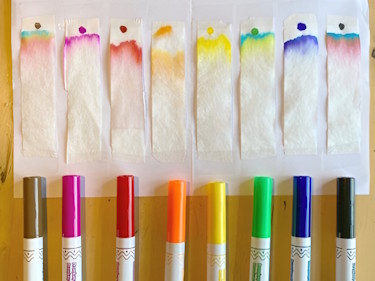
paper chromatography
In Grid Science: A Hands-on Science Education Resource.

Paper Chromatography

Chromatography is a fascinating scientific technique used to separate and analyze mixtures of substances. Many things around us, from the ink in our pens to the medicines we take, are actually made up of mixtures. Chromatography helps us “unlock” these mixtures, showing us their hidden components by separating them based on how they move through a material such as paper or gel.

In this activity, you will use paper chromatography to uncover the hidden pigments inside ordinary colored marker pens. By placing the ink on filter paper and letting water carry it upward, you will see how what looks like a single color is actually made up of several different dyes. Each pen will reveal its own unique “fingerprint” of colors, turning science into both an experiment and a work of art!
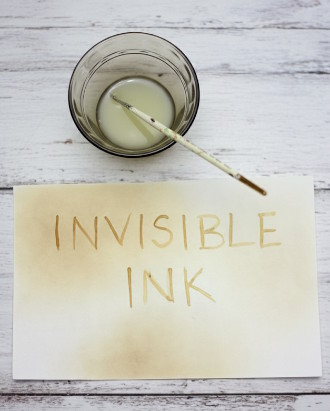
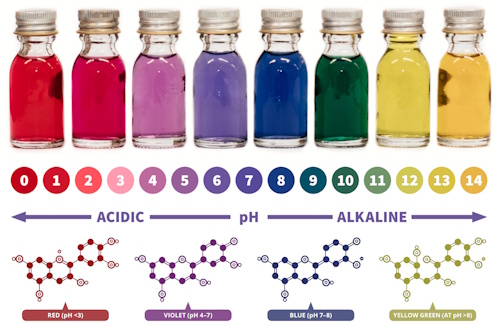
red cabbage indicator
Brunning, Andy. "Making a Red Cabbage pH Indicator". Compound Interest.

Natural Indicators

Have you ever noticed how a splash of lemon juice can change the color of certain foods? Or how turmeric stains become red when you add soap water? These color-changing reactions are not just kitchen surprises – they are tiny chemistry experiments!

In this activity, you will explore how natural materials like red cabbage, hibiscus, beetroot, and turmeric can reveal whether a substance is an acid or a base.

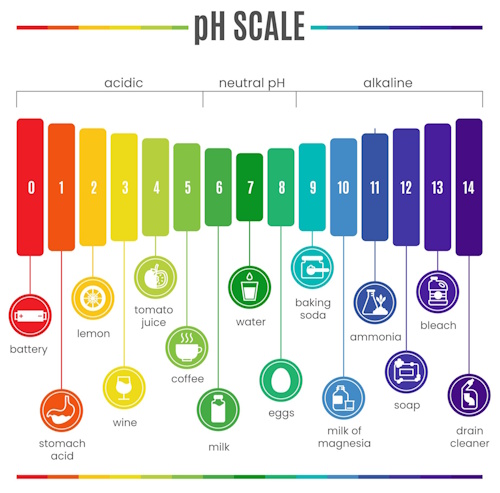
ph scale
Designed by Freepik.

Commonly used Laboratory Indicators

Certain food items like lemons, tamarind, and vinegar are sour to taste, while some substances like soap are slippery to touch and bitter in taste. It has been found that these items contain acids and bases. However, it is not safe to determine the nature of items by tasting or touching them. This is where indicators help us. Indicators are substances that change color in the presence of an acid or base, making it easier to identify their nature.

In this activity, you will explore some commonly used laboratory indicators and see how they help us identify the nature of different solutions.

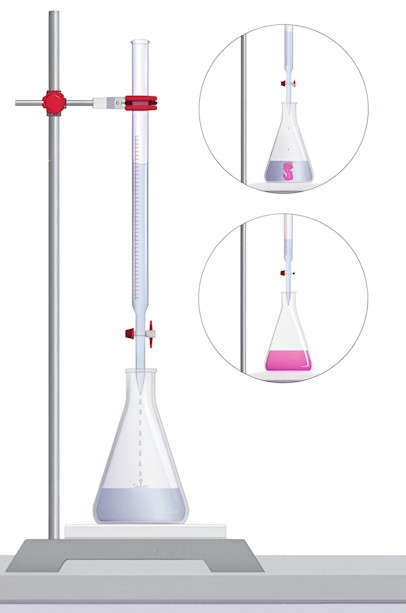
titration
Bright, Dan. "How to teach Titration". Royal Society of Chemistry.

Neutralization

When your stomach feels uneasy after eating spicy food, what do you do? Many people take an antacid tablet. But did you know that when you do that, you’re actually performing a neutralization reaction inside your body?

Neutralization reactions have practical applications in daily life. From treating acidic soil on farms to making sure the water coming out of factories is safe for the environment.

In this activity, you will use two common laboratory chemicals – hydrochloric acid (HCl) and sodium hydroxide (NaOH) – to see how neutralization works. By measuring how much base is needed to completely neutralize the acid, you’ll also practice an important chemistry technique called titration.